Heavy goods charging specialists
Electric HGV Charging Solutions
Electric HGV charging is a critical operational challenge, not just a simple infrastructure upgrade. Heavy vehicles place sustained demands on power while operating within fixed schedules, where downtime directly affects cost and service delivery. Charging infrastructure must work within grid constraints, depot realities and fleet operations, and continue to perform as fleets scale in size. Electrassure designs and delivers electric HGV charging infrastructure that performs reliably in live fleet environments.





Charging That Fits How Your Fleet Actually Operates
Electric HGV charging only works when it supports how fleets operate day to day. Vehicle duty cycles, dwell time, depot layout and available power all impose hard limits on what is achievable, regardless of charger capability.
In practice, grid capacity is often the defining constraint. Many depots cannot support high-power charging without reinforcement, and where upgrades are required, they shape both timelines and cost. At the same time, vehicles must be charged within specific operational windows dictated by daily routes, loading schedules and driver hours. Infrastructure that ignores these realities may look viable during planning but struggles once vehicles are operating at scale.
Our experts help to design charging systems around these conditions from the outset, ensuring infrastructure supports operations rather than forcing operations to adapt around infrastructure.
Case Study
Expanding Volkswagens infrastructure
The reasons Volkswagen choose ElectrAssure to deliver EV charging infrastructure for their ports and National PDI Centre.
Level 3 DC Chargers for eHGV’s
Charging times for eHGV’s , trucks and lorries typically take longer due to their battery capacity.
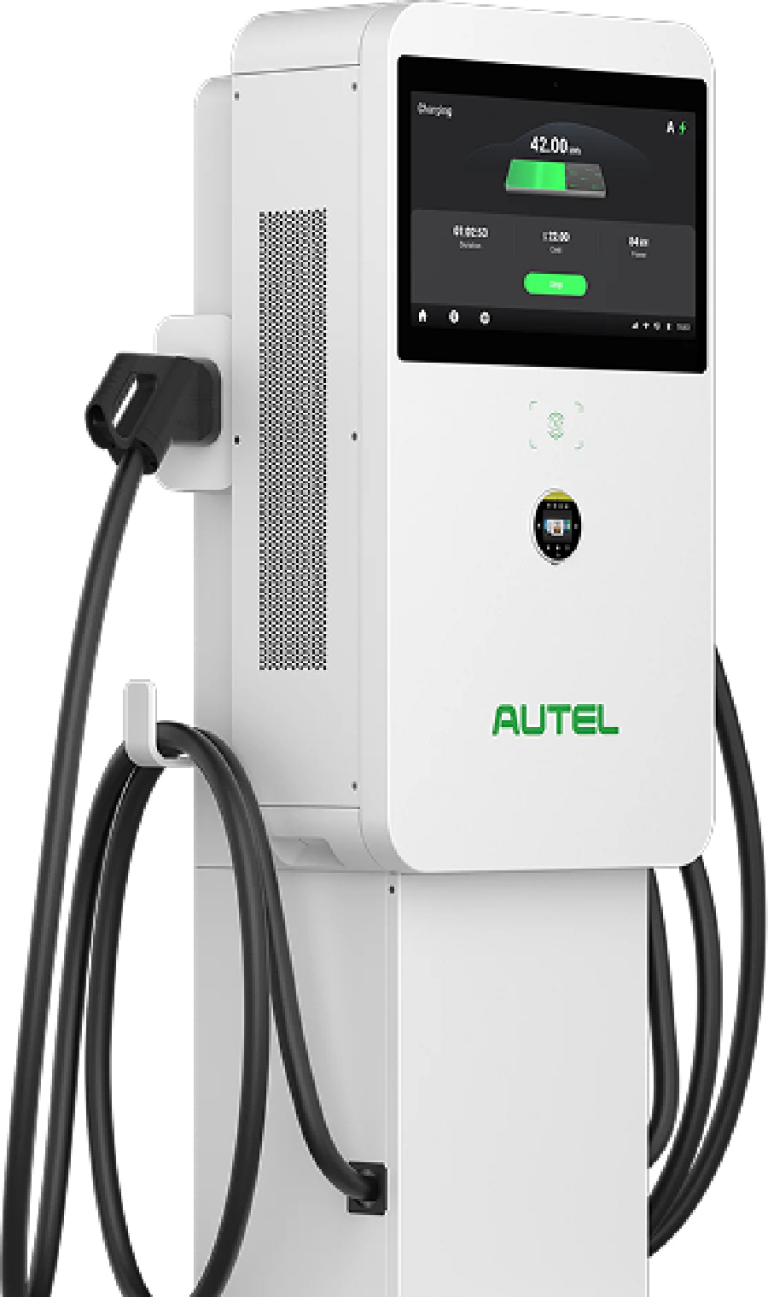
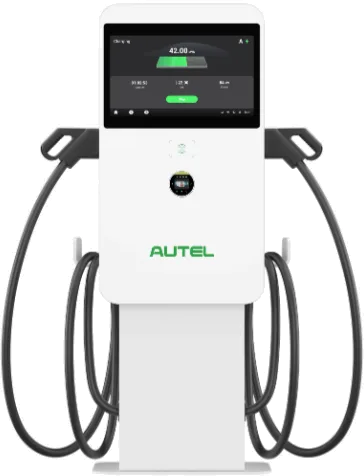
Level 3 DC rapid chargers are the best option for charging Electric HGV’s as it’s the most powerful charging option available. Typical eHGV charging capabilities are around 15kW-400kW. Depending on the charging power used a rapid DC charger can deliver 1012 miles/hour (based on 250kW) for an Electric HGV.


Infrastructure You Have to Live With
Electric HGV charging is not a technology choice. It is a long-term infrastructure commitment that directly affects operational reliability.
Power distribution, charger performance, depot logistics and resilience are all tightly linked. Decisions made in isolation often create constraints elsewhere, whether through unstable power delivery, unnecessary cost or limited ability to scale. Defaulting to maximum charging speed frequently introduces complexity that outweighs any operational benefit.
Electrassure engineers charging infrastructure to deliver dependable performance under sustained load. Systems are designed to remain stable as demand fluctuates, integrate cleanly into depot operations and scale without fundamental redesign. The result is infrastructure that supports fleets rather than constraining them.
From Feasibility to Live Operation
Electric HGV charging projects begin long before equipment is installed. Electrassure works with operators to assess feasibility early, examining power availability, site constraints and operational requirements to ensure solutions can be delivered in practice.
Once feasibility is established, infrastructure is engineered to align with fleet schedules, depot movements and future growth. Installation is coordinated around live operations, where safety, sequencing and continuity are essential. Following commissioning, systems are monitored and supported to ensure consistent performance under daily operational load as fleet demand evolves.
Delivered Without Stopping the Fleet
Electric HGV charging infrastructure is installed in working depots, not empty sites. Fleets continue to operate throughout delivery, making coordination and safety critical.
Electrassure delivers projects with this reality built in. Infrastructure is installed and commissioned by accredited engineers, with careful sequencing to minimise disruption. Systems are integrated into monitoring platforms that provide visibility of charger performance and availability, allowing issues to be addressed before they impact operations.
Support and maintenance frameworks are structured around commercial uptime requirements, where reliability is expected and downtime has immediate consequences.
Experience Shaped by Real Operations
Across commercial transport environments, Electrassure has delivered charging infrastructure where performance is tested daily under operational pressure. This experience brings a clear understanding of where projects typically encounter friction, from underestimated power constraints to charging strategies that fail to align with vehicle return patterns.
In one recent deployment, charging capacity appeared sufficient during planning, but live operation revealed overlapping vehicle returns that placed sustained pressure on available power. By reconfiguring load distribution and charging behaviour, reliability was restored without immediate grid reinforcement, protecting uptime while preserving future expansion options.
This operational insight informs how projects are designed and delivered, ensuring early decisions do not become long-term limitations.
Funding
Funding and incentive schemes can support HGV charging projects, but they do not change the fundamentals of infrastructure delivery. Grid capacity, upgrade lead times and operational impact remain the determining factors in project viability.
Electrassure ensures funding considerations align with real infrastructure strategy, deployment timelines and long-term performance, rather than driving decisions in isolation.
Supporting the Transition
For many fleet operators, electrification is no longer a future ambition but an active operational transition. Charging infrastructure decisions made today will shape reliability, flexibility and cost for years to come.
Electrassure delivers electric HGV charging infrastructure engineered for this reality, combining technical depth with a practical understanding of commercial fleet operations.
News & Articles
What is the Difference Between Slow, Fast, and Rapid EV Chargers?
There are three main ways to charge your electric vehicle, we generally categorise these as slow, fast, and rapid. While the names give you a basic idea, the real difference lies in how they actually fit into your daily life...
Read MoreHow Tyre Size and Cold UK Weather Influence EV Range
Cold weather and tyre size both have a measurable impact on your real-world electric vehicle range. In UK winter conditions, many EVs lose between 15-30 per cent of their range. In even colder (near freezing temperatures), especially with motorway driving...
Read MoreHMRC’s new EV mileage rates: what businesses and drivers need to know
Key Takeaways (TLDR) New split rates from 1 September 2025: HMRC now distinguishes between charging at home (8p per mile) and charging in public (14p per mile). Why the change: Electricity costs vary widely between home and public charging. The...
Read MoreFAQ
Timelines are usually dictated by grid capacity rather than installation itself. Where reinforcement is required, early planning is critical.
Many fleets operate successfully without maximum-power charging by designing infrastructure around dwell time and schedules. Over-specification is a common and costly mistake.
Can infrastructure be expanded as fleets grow?
Charging infrastructure is installed while depots remain active. Careful sequencing and coordination are essential to minimise disruption.
Live systems are monitored for performance and availability, allowing issues to be addressed before they affect operations.