Powerful charging solutions built for electric trucks on the move.
Electric Truck (eTruck) Charging For UK Fleets
Real electric truck charging solutions need to work around real fleet operations, not theoretical charging speeds or generic “one size fits all” EV infrastructure.
As fleets transition to electric HGVs and commercial trucks, charging becomes an operational system rather than just simple utility. Power availability, dwell times, grid constraints and route planning all shape whether electric trucks can be deployed reliably at scale.
This page sets out everything you need to know about how electric truck charging works in practice, the approaches used by leading UK fleets today





Designed for the realities of electric fleet operations
Electric trucks place very different demands on charging infrastructure. Batteries are larger, energy demand per vehicle is higher, and charging often needs to happen within fixed windows between shifts or routes.
For most fleets, the challenge is not access to public charging, but instead, ensuring vehicles are consistently charged where they operate, without overloading site power or disrupting schedules. This is why effective solutions are planned around depots, routes and duty cycles from the outset.
How electric truck charging works
Electric truck charging typically relies on a combination of depot-based charging and, where required, higher-power chargers at strategic locations. The right approach depends on how vehicles operate day to day.
Trucks returning to a depot overnight can often be charged more slowly over longer dwell periods, whereas vehicles covering longer distances or operating multiple shifts/stop points may need faster charging to remain operational. In practice, we have found that a solid charging strategy is usually even more important than just maximum charger output.
Charging Strategies
Most UK fleets adopt one primary charging strategy and supplement it as operations evolve.
Depot-based charging remains the most common approach, particularly for fleets running fixed routes or daily return-to-base operations. Vehicles are charged during longer dwell periods, typically overnight or between shifts, allowing energy to be replenished in a predictable and cost-effective way.
For fleets with longer routes or tighter schedules, en-route or destination charging can play a supporting role. Positioning your Higher-power DC chargers at hubs or key locations allow vehicles to add sufficient range during shorter stops to complete the next leg of a journey.
Looking ahead, Megawatt Charging Systems (MCS) are being developed specifically for heavy-duty vehicles. These systems are designed to deliver very high power levels and support long-haul electric freight by enabling meaningful charging within driver rest periods. While still emerging, MCS is an important future consideration for fleet managers.
Managing power, grid capacity and reliability
Early assessment (Site Survey) is essential. Grid capacity, connection timelines and on-site power limits all influence what charging solutions are viable in the short and medium term. Smart load management is often used to distribute available power efficiently, allowing more vehicles to charge without triggering unnecessary grid upgrades.
Charging reliability is critical for fleet operations. Monitoring, fault detection and operational oversight all play an important role in keeping vehicles moving and minimising downtime.
Our eTruck Charging Stations
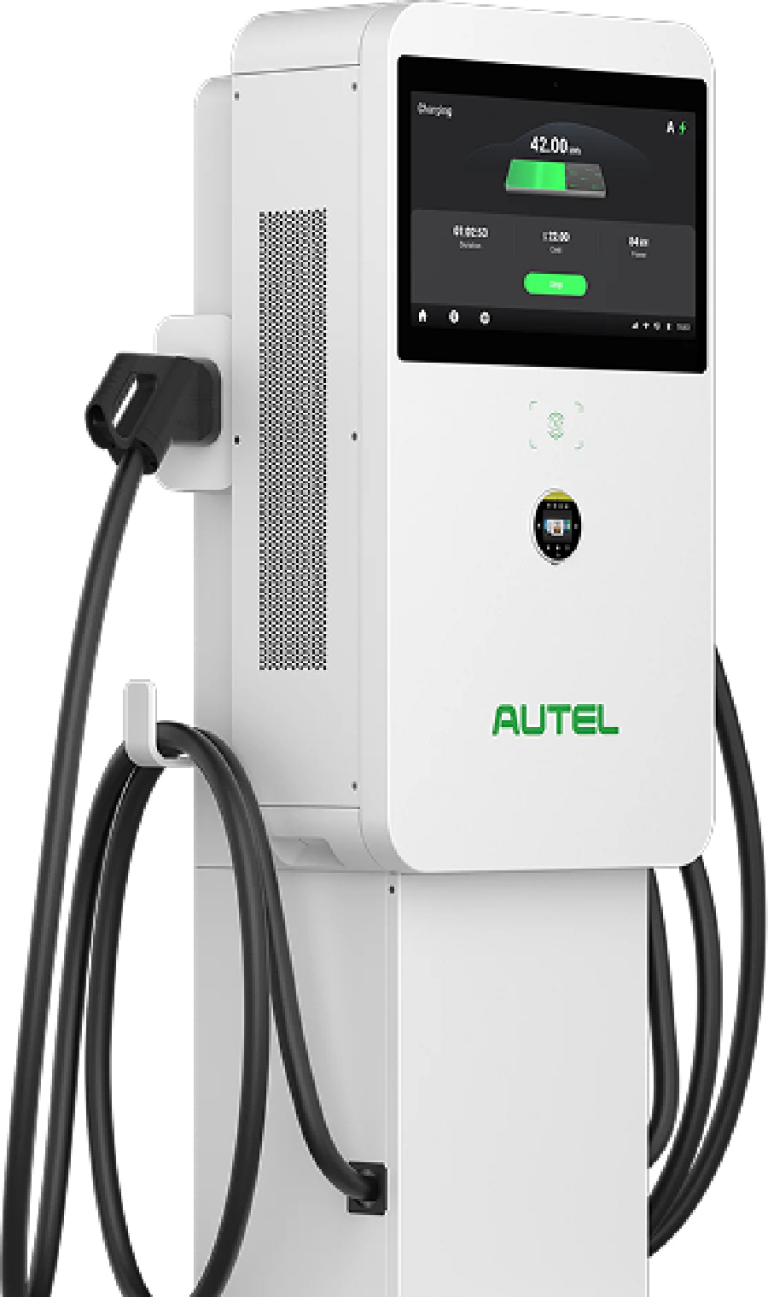
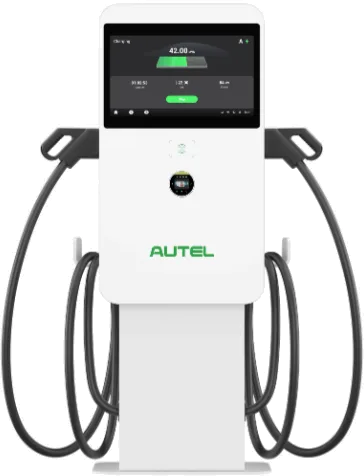
On-Site Charging Stations: Flexible EV charging solutions to fit your premises, offering fast and efficient charging for your fleet regardless of its size.
Public Charging Network: Access to an extensive network of public charging stations through our CPMS ensuring your eTrucks are never far from a power source.
Mobile Charging Solution: For ultimate flexibility, our mobile units provide on-the-go charging solutions, wherever your route takes you. (We will require a 63a commando socket)

Case Study
Expanding Volkswagens infrastructure
The reasons Volkswagen choose ElectrAssure to deliver EV charging infrastructure for their ports and National PDI Centre.
You Questions Answered
Everything Else You Need To Know
The best electric truck charging solution depends on how your fleet operates. Vehicles that return to a depot for extended periods can often rely on overnight charging, while longer routes or multi-shift operations may require higher-power charging at strategic locations. Most fleets benefit from a charging strategy designed around routes and dwell times rather than charger speed alone.
Charging time often varies based on battery size, charger power and available dwell time. Slower charging can work well where vehicles are parked for several hours, while faster DC charging is used where vehicles need to return to service quickly. Emerging megawatt charging systems aim to significantly reduce charging time for heavy-duty vehicles in the future.
No, not all electric trucks require megawatt charging. Many fleets can operate successfully using depot-based charging today. However, MCS is likely to become important for long-haul and high-utilisation operations, making it a key consideration when planning future-ready electric truck charging solutions.
Some depots can support electric truck charging with minimal changes, while others require grid upgrades or smart load management. A detailed site survey is needed to understand site constraints and determine the most practical approach.
Yes. Many fleets deploy charging infrastructure in phases, starting with the vehicles and chargers needed initially while preparing sites for future expansion. Phased deployment helps manage cost, reduce disruption and align infrastructure with vehicle rollout.
One of the most common mistakes is focusing too heavily on charger speed rather than how vehicles actually operate day to day. Faster chargers are not always necessary if vehicles have sufficient dwell time at a depot or between shifts.
Another frequent issue is underestimating grid connection timelines. Even where power upgrades are possible, they can take months to deliver, which can affect vehicle rollout plans if not considered early.
We also see fleets design charging for their initial vehicles without allowing for future growth. Infrastructure that works for a small pilot fleet can quickly become restrictive as more electric trucks are added.
News & Articles
HMRC’s new EV mileage rates: what businesses and drivers need to know
Key Takeaways (TLDR) New split rates from 1 September 2025: HMRC now distinguishes between charging at home (8p per mile) and charging in public (14p per mile). Why the change: Electricity costs vary widely between home and public charging. The...
Read MoreUK Government Depot Charging Scheme
The government have now released the ‘Depot Charging Scheme’. This is designed to “support fleet operators on the costs of installation charging infrastructure for electric HGVs, vans and coaches at Fleet Depots“. Key takeaways from our Director Alun “The...
Read MoreWhat is EV Fleet Management?
EV fleet management means keeping your electric vehicle (EV) fleets running smoothly. Fleet management includes tasks like ensuring that all vehicles receive proper maintenance, charging stations are taken care of, and smart software is used to monitor everything in real...
Read More